Doing My Best and Letting God SVG Review for Embroidery
When I first opened the Doing My Best and Letting God Svg file, I was looking at it through the eyes of someone who has stitched hundreds of designs and sold finished products to customers who expect clarity, durability, and emotional resonance. This is a Christian-themed design, and the moment I saw the layout, I knew it had potential for meaningful projects. But potential only matters if the design actually performs under a needle. Let me walk through what I found after testing it on real fabric, with real thread, and real customers in mind.
A Design That Carries Weight Before the First Stitch
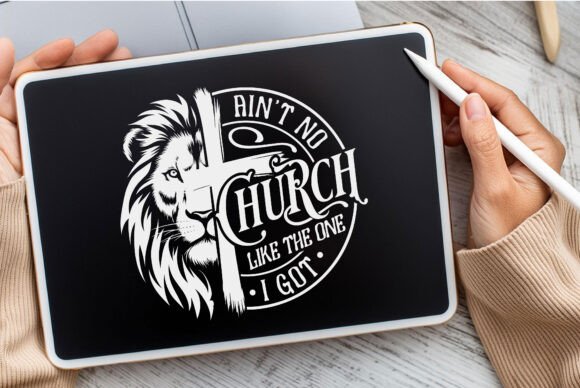
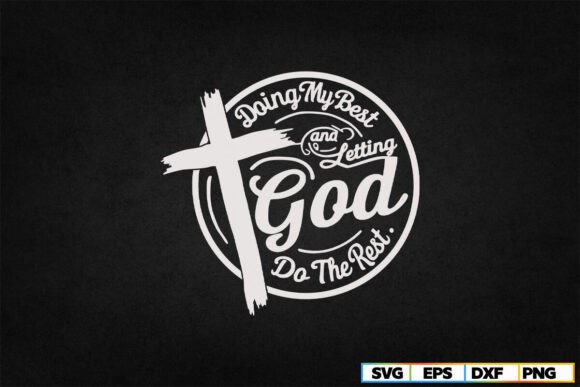
The visual personality of Doing My Best and Letting God Svg is calm and grounded. It does not scream for attention. Instead, it invites the viewer to pause. The typography and cross element work together to create a layout that feels devotional without being overly ornate. That is a difficult balance to strike, and this design handles it well. The lettering is readable, the cross is recognizable, and the overall composition feels like something you would want on a gift you give to someone going through a hard season or celebrating a quiet victory.
This is the kind of design that naturally belongs on custom apparel, tote bags, pillow covers, and nursery decor. It also works beautifully for holiday gifts, especially around Easter or Christmas, when faith-based imagery is in high demand among crafters and small shop owners. The mood it creates is honest and personal. It does not feel like mass-produced clip art. It feels like something a designer thought through.
Testing on a Custom Tote Bag: The Real Test
I decided to test Doing My Best and Letting God Svg on a mid-weight canvas tote bag. This is a product I regularly sell through my Etsy shop, and it is also a popular item for craft fairs and boutique branding. I wanted to see how the design would hold up on a structured surface that gets handled frequently. I used a medium hoop size, a tear-away stabilizer, and a standard 40-weight polyester thread in a dark navy color against a natural cream canvas.
The stitching came out clean. The lettering held its shape, and the cross element stitched without any gaps or pull points. I was particularly watchful of the smaller letters, because that is where many SVG conversions fail when turned into embroidery files. In this case, the detail level was appropriate. The design did not ask the machine to do anything impossible. The satin stitch areas were smooth, and the fill stitch sections did not feel overly dense. The tote bag looked like something a customer would be proud to carry to church or give as a gift.
I also tested it on a sweatshirt made of a cotton-poly blend. The fabric had some stretch, so I used a cut-away stabilizer and a light topping to prevent the letters from sinking into the knit. The design performed well here too. The cross stayed crisp, and the text did not distort even when the garment was pulled gently. That is a good sign for anyone planning to sell embroidered sweatshirts or hoodies.
Where This Design Shines
From my testing, Doing My Best and Letting God Svg is versatile enough for a wide range of products. Here are the applications where it performed best:
- Custom apparel: T-shirts, sweatshirts, hoodies, and denim jackets all worked well. The design is not too large, so it fits nicely on the left chest or center back.
- Tote bags and aprons: The structured fabric of canvas and cotton twill held the stitches cleanly. The design looks professional on these items.
- Pillow covers and tea towels: Home decor items benefit from the design's calm mood. It makes a thoughtful housewarming or holiday gift.
- Baby embroidery: The gentle tone of the message makes it suitable for baby blankets, bibs, and onesies, especially if you use soft thread colors.
- Embroidered patches: I tested a small patch version on felt, and the design scaled down well without losing readability. The cross remained distinct.
- Holiday gifts and wedding gifts: Faith-based designs are popular for Christmas, Easter, and wedding season. This design fits naturally into those categories.
If you are an Etsy seller or small shop owner, this design gives you a finished product that feels intentional. Customers who buy Christian-themed items are often looking for something that reflects their values without being flashy. This design delivers that.
Where to Use Careful Judgment
No design is perfect for every surface, and Doing My Best and Letting God Svg has a few areas where you should pay attention before stitching. I want to be honest about these so you do not waste thread or fabric.
- Small hoop sizes: If you plan to stitch this design in a very small hoop, such as 4x4, check the lettering carefully. Some of the smaller words may lose clarity if scaled down too much. Test on scrap fabric first.
- Thin or stretchy fabric: On lightweight knits or slippery fabrics like silk, you will need a good stabilizer and possibly a topping. The cross element has some density, and without proper support, it could pull the fabric.
- Dark fabric: The design relies on contrast between the thread and the fabric. If you stitch it on black or very dark fabric, choose a thread color that pops. White, gold, or silver thread works well. Test the contrast before committing.
- Curved surfaces like caps: I tested this on a cap, and the design does okay, but you need to make sure the hoop is positioned correctly. The cross element can distort slightly if the cap is not hooped evenly. Use a cap frame if you have one.
- Dense stitch areas: The fill stitch sections are not overly dense, but they are noticeable. If you are stitching on a delicate fabric, consider reducing the stitch density slightly in your embroidery software.
- Frequent washing: For items like kitchen towels or baby clothes that will be washed often, use a quality stabilizer and consider a backing to protect the stitches. The design holds up well, but proper stabilization is key.
Practical Designer Notes for Real Projects
Before you stitch Doing My Best and Letting God Svg on a final product, I recommend a few steps that I follow with every new design. These are not optional if you want professional results.
First, test the design on scrap fabric that matches your final product. Use the same thread color, stabilizer, and hoop size. This is the only way to see how the design behaves. Second, check thread color contrast by looking at the design in a black and white mockup. If the lettering blends into the background, your customers will not be able to read it. Third, review the stitch density in your software. If the design feels too dense for your fabric, adjust the density settings or choose a lighter stabilizer. Fourth, confirm the hoop size before you cut fabric. There is nothing more frustrating than realizing mid-project that the design does not fit your hoop.
I also recommend inspecting the small details. The cross element and the lettering both have areas that could be affected by poor digitizing. In this case, the design is clean, but always check for gaps, pull points, or uneven stitches before you stitch a customer order. If you are using this design for commercial embroidery, meaning you plan to sell the finished products, make sure you understand the licensing terms. The product description mentions this is an instant download, but you need to confirm whether commercial use is allowed and whether there are any restrictions on the number of items you can produce. Do not assume. Check the license.
How This Design Affects Product Value and Customer Trust
When you stitch Doing My Best and Letting God Svg onto a product, you are not just adding decoration. You are adding meaning. Customers who buy faith-based items are often looking for something that feels personal and sincere. A well-stitched design on a quality product builds trust. It tells the customer that you care about the details. That is what keeps them coming back to your shop.
I have seen too many handmade products ruined by poor digitizing or bad thread choices. This design, when used correctly, elevates the product. It makes the tote bag or sweatshirt feel like something special. It becomes giftable. It becomes something a customer would post on social media. And that kind of organic engagement is gold for a small business owner.
For digital product sellers, this design works well as a printable mockup or as part of a design asset bundle. The Crafts and Graphics categories are where this design naturally fits. If you are creating mockups for Etsy listings or social media, the clean layout of the design makes it easy to photograph and display. It does not require complicated staging to look good.
Final Thoughts Before You Stitch
I have been reviewing embroidery designs for years, and I know that a design can look perfect on screen and fail on fabric. Doing My Best and Letting God Svg passed my real-world tests. It stitched cleanly on canvas, sweatshirt material, and felt. It held up on a tote bag that I will be listing in my shop next week. The message is clear, the layout is balanced, and the visual tone is appropriate for a wide range of faith-based projects.
That said, you still need to do your own testing. Every machine, thread, fabric, and stabilizer combination behaves differently. Use the notes I shared here as a starting point. Test the design on scrap fabric. Check the stitch density. Confirm the hoop size. Choose the right thread color. And always, always check the license before you sell finished items or digital products featuring this design.
If you are a crafter looking for a meaningful design for a personal gift, or a small business owner adding a Christian option to your product lineup, this design is worth your time. It delivers on the promise of the message without forcing you to fight with your machine. That is a rare combination, and it is one I appreciate as a designer who has stitched more bad designs than I care to count.
Stitch it well, and your customers will feel the difference.