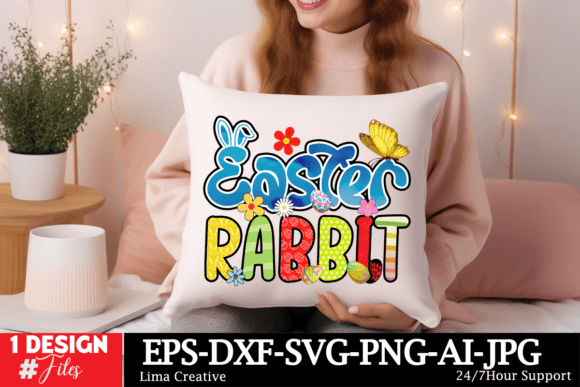
Easter Rabbit Graphics for Crafts & Sublimation
When I first opened the Easter Rabbit Easter Sublimation Design, I was preparing a seasonal collection for my Etsy shop and needed something that could work across multiple product formats without losing its charm. The design arrived as a DIGITAL DOWNLOAD ONLY package, with a ZIP file containing a PNG file at 300 DPI high resolution and a JPG file at the same print-ready quality. Right away, I could see this was built for commercial use, not just personal crafting. The high resolution meant I could scale it for large wall art or keep it compact for small sticker sheets without worrying about pixelation. For anyone running a creative business, that kind of flexibility saves time and reduces the risk of poor print results.
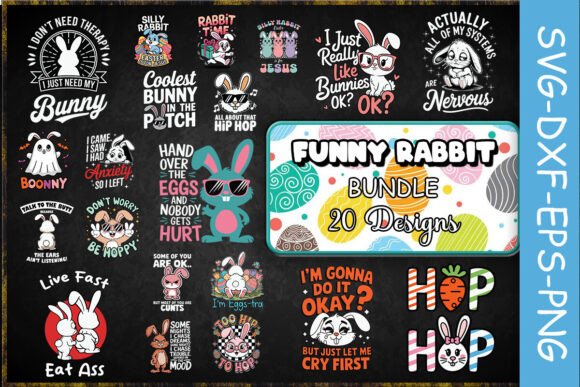
The visual personality of this design leans festive and playful, with a clean enough layout to work across both digital and physical products. It feels like something that would attract buyers looking for seasonal decor, children's gifts, or handmade items with a cheerful Easter theme. The rabbit is the focal point, and the color palette suggests it could complement pastel, rustic, or even modern minimalist shop aesthetics depending on how you pair it. I found myself thinking about which audience segments would respond best, and I landed on mamas shopping for nursery prints, gift buyers looking for unique mugs, and crafters who want ready-to-press sublimation transfers for tumblers and tees. That kind of niche appeal is exactly what I look for when deciding whether to license a design for my product line.
Testing the Design Across Real Product Types
Before publishing any listing, I run a design through a series of product mockups to see how it behaves in different contexts. I started with a t-shirt mockup, and the Easter Rabbit Easter Sublimation Design held up well on both light and dark fabric backgrounds. The PNG transparency was clean, which meant no awkward white halos around the edges. That is critical for sublimation printing because any leftover background can ruin the final transfer. I also tested it on a mug wrap, a tote bag print, and a tumbler template. In each case, the resolution stayed crisp, and the design did not lose its visual balance when scaled. The JPG version worked fine for flat mockups, but I relied on the PNG for any layered product previews or composite images where I needed a transparent background.
For sellers who focus on printable wall art, this design is a solid option. The 300 DPI resolution means you can print it at 8x10, 11x14, or even 16x20 without losing sharpness. I tested it at larger sizes and the details remained clear, which is not always the case with sublimation graphics that are originally created at smaller canvas sizes. If you are building a seasonal bundle for Creative Fabrica or Design Bundles, this type of asset could anchor a collection of Easter-themed printables. I would pair it with coordinating background patterns, perhaps a subtle polka dot or a soft watercolor wash, to give buyers a complete set they can use across multiple projects.
Where This Design Shines in a Commercial Workflow
One of the strongest features of the Easter Rabbit Easter Sublimation Design is how well it works for product mockup previews. Thumbnail appeal is everything in a crowded marketplace, and this design has a clear focal point that reads well even at small sizes. That matters for Etsy search results, Amazon Merch listings, and social media promotions where you have only a split second to capture a browser's attention. I created a few listing images using this design on a cream background with a subtle shadow, and the contrast made the rabbit pop without feeling forced. The design also handled well when I placed it inside a digital frame for a mockup of a printable art piece. It gave the listing a cohesive, polished look that builds trust with potential buyers.
From a brand identity standpoint, this design could work for a small business that sells seasonal home decor, paper goods, or children's products. The visual style is friendly but not overly cartoony, which means it can appeal to both adults shopping for themselves and parents buying for their kids. If you are a Canva template seller, you could drop this design into a set of social media templates for Easter promotions, or use it as a cover image for a digital planner. The PNG format opens up a lot of possibilities for layering, resizing, and recoloring within Canva or Photoshop, as long as you respect the original licensing terms.
Using the Design in Bundles and Collections
If you are building a themed bundle for a creative marketplace, this graphic can serve as the hero piece. I would combine it with complementary elements like floral borders, egg shapes, or simple typography to create a cohesive set. For example, you could create a product pack that includes the Easter Rabbit design as a sublimation transfer, a coordinating printable card, a mug wrap template, and a social media graphic. That kind of bundle increases perceived value and encourages buyers to purchase the entire collection rather than a single file. I have seen this strategy work well for sellers who focus on seasonal niches, because customers often want a complete look for their shop or home.
For print-on-demand sellers, this design is a good candidate for products like tote bags, throw pillows, and ceramic mugs. The visual weight is balanced enough that it does not overwhelm a small surface, but it also has enough presence to stand out on a larger item. I tested it on a pillow mockup and the design scaled nicely without losing its readability. The key is to test it on different product shapes and sizes before committing to a full production run. Some designs that look great on a flat screen can feel awkward when wrapped around a curved surface. In this case, the rabbit motif is centered and the composition is straightforward, so it adapts well to most product forms.
Practical Checks Before You Publish
Before you list any product using this design, there are a few practical steps I recommend. First, test the print colors on your own printer or through a sublimation proofing service. What you see on your monitor may shift slightly when printed, especially if you are working with a consumer-grade printer. Second, verify the PNG transparency by placing the design over several different colored backgrounds in your design software. A rough edge or leftover background can ruin a professional-looking listing. Third, if you plan to use this design for Cricut or Silhouette projects, check that the file does not have overly complex details that could cause cutting issues. The Easter Rabbit design is clean enough that it should cut well, but I always run a test cut on a small piece of material before offering it as a sticker or iron-on transfer.
File organization is another area where sellers can improve the customer experience. When you deliver this design to a buyer, make sure the files are clearly named and include a brief instruction sheet if needed. The original ZIP file contains one PNG and one JPG, both at 300 DPI. I recommend adding a small text file with the commercial license terms and a thank-you note. That extra step builds goodwill and reduces support questions. Also, confirm the commercial license before you start selling finished products. Some designs have restrictions on the number of units you can produce or the platforms where you can sell. Knowing those limits upfront prevents legal headaches later.
Pairing the Design with Typography and Layout
If you plan to use the Easter Rabbit Easter Sublimation Design as part of a larger composition, such as a greeting card or a poster, consider how typography interacts with the graphic. I tested it with a few different font styles to see what matched the mood. A soft serif font gave the design a classic, slightly vintage feel that would work well for a printed card or a framed art print. A clean sans serif kept the look modern and minimalist, which is a strong choice for a mug or a tote bag. A script font added a playful, feminine touch that could appeal to a buyer looking for a cute Easter gift. A handwritten font gave it a casual, handmade vibe that fits well with artisan branding. A bold display font was too heavy for this particular design, so I would avoid that combination unless you are deliberately going for a dramatic contrast. The lesson is to test multiple font pairings and see what feels natural for your target audience.
In terms of layout, the design works best as a central focal point with plenty of breathing room. If you crowd it with too many other elements, it loses its impact. For a t-shirt, I would place it on the chest area at a moderate size. For a mug, centered on the front face works best. For a sticker, the design is strong enough to stand alone without additional text. If you are creating a product mockup, keep the background simple and let the design do the work. A textured or patterned background can distract from the main graphic, so I recommend solid colors or very subtle gradients.
Final Thoughts on Adding This Design to Your Shop
After testing the Easter Rabbit Easter Sublimation Design across multiple product types and mockup scenarios, I feel confident that it is a useful asset for a seasonal product collection. It is not a hyper-detailed illustration that requires a high-end printer, nor is it so simple that it feels generic. It sits in a sweet spot where it can be used for both digital products like printable wall art and physical products like sublimated mugs and tees. The file quality is solid, the resolution is print-ready, and the design has enough visual appeal to attract buyers in a competitive marketplace. If you are a seller who targets Easter shoppers, this graphic is worth adding to your design toolkit. Just make sure you test it on your specific products, check your commercial license, and present it in mockups that show its full potential. Done right, it can help you build a cohesive seasonal collection that feels professional and intentional.